
Paralysis is a condition that affects mobility, independence, and overall quality of life. For many patients, it is caused by stroke, spinal cord injuries, or neurological disorders. While medical treatment addresses the underlying cause, one of the most effective ways to regain strength and movement is through physiotherapy.
Physiotherapy plays a central role in paralysis recovery, helping patients restore mobility, rebuild confidence, and return to daily activities. This article explains how physiotherapy works, its benefits, and why it is essential in long-term paralysis care.
What is Physiotherapy in Paralysis Recovery?
Physiotherapy, also known as physical therapy, is a specialized branch of rehabilitation medicine. It focuses on restoring movement, flexibility, and strength in patients who have lost muscle function due to paralysis. Unlike medications, physiotherapy uses exercises, manual therapy, and modern rehabilitation techniques to encourage the brain and body to reconnect.
Benefits of Physiotherapy for Paralysis Patients
1. Improves Muscle Strength and Mobility
Physiotherapy helps prevent muscle stiffness and weakness. Targeted exercises strengthen the affected muscles and improve flexibility, making it easier for patients to move.
2. Stimulates Nerve Function
Regular physiotherapy stimulates the nervous system, which can sometimes restore partial movement by helping the brain form new connections.
3. Prevents Secondary Complications
Without therapy, patients may develop complications like joint pain, muscle spasms, bedsores, or poor circulation. Physiotherapy prevents these issues through regular movement and posture correction.
4. Enhances Balance and Coordination
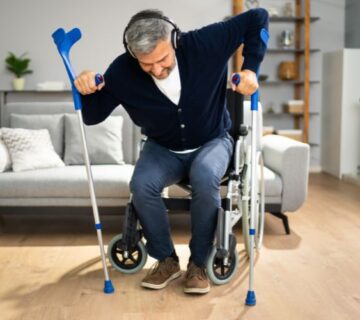
Paralysis often affects balance. Physiotherapists use specific exercises and walking aids to help patients regain coordination and reduce the risk of falls.
5. Boosts Confidence and Independence
Beyond physical improvement, physiotherapy gives patients a sense of progress. This emotional boost is crucial for staying motivated during recovery.
Common Physiotherapy Techniques in Paralysis Treatment
- Range-of-Motion Exercises – Keep joints flexible and prevent stiffness.
- Strength Training – Improve muscle power and endurance.
- Gait Training – Helps patients learn or relearn walking with support.
- Functional Electrical Stimulation (FES) – Uses mild electrical pulses to activate paralyzed muscles.
- Hydrotherapy – Water-based exercises that make movement easier and less painful.
- Balance Training – Exercises to improve coordination and prevent falls.
Each treatment plan is customized based on the patient’s condition, type of paralysis, and stage of recovery.
Role of Modern Rehabilitation in Paralysis Recovery
Today, physiotherapy is combined with modern rehabilitation technologies to achieve faster and better outcomes. Tools like robotic-assisted walking devices, electrical stimulation therapy, and virtual reality rehabilitation are being used to enhance traditional physiotherapy.
At specialized paralysis care centers, patients benefit from a holistic approach where physiotherapy is integrated with occupational therapy, speech therapy, and counseling to address both physical and emotional needs.
Why Physiotherapy Should Begin Early
Starting physiotherapy soon after a paralysis diagnosis is essential for recovery. Early intervention:
- Prevents permanent muscle stiffness.
- Improves blood circulation.
- Increases the chances of regaining partial or full mobility.
- Reduces emotional stress and dependency on others.
Even if complete recovery is not possible, physiotherapy ensures that patients live with greater comfort, dignity, and independence.
Final Thoughts
Paralysis may change life drastically, but it doesn’t mean the end of independence. With consistent physiotherapy and modern rehabilitation, patients can rebuild strength, regain mobility, and restore confidence.
If you or a loved one is dealing with paralysis, consult a specialized paralysis care center. With expert physiotherapists, advanced treatment methods, and compassionate support, recovery becomes possible—one step at a time.